
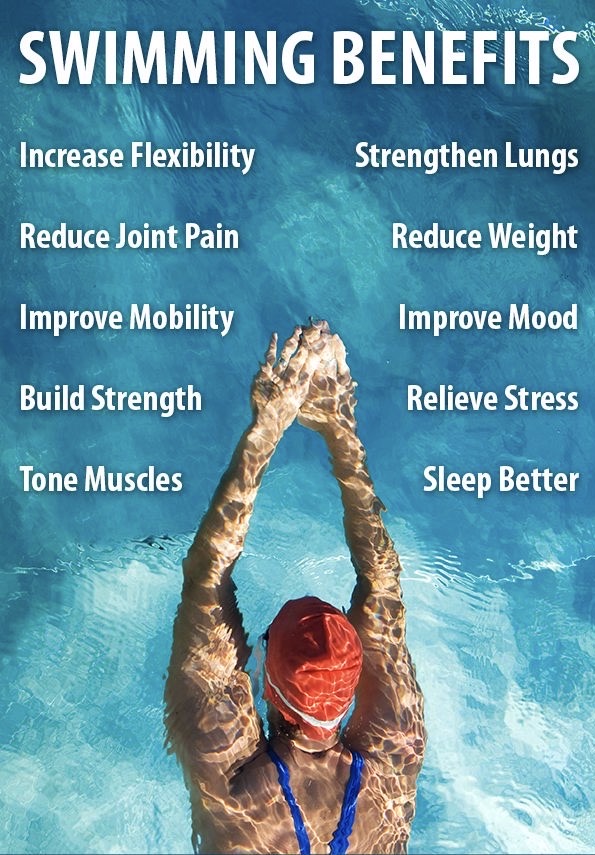
Swimming is one of the best forms of exercises, no matter your starting fitness level. It’s a highly accessible activity with several health benefits—and all you really need is swimwear and access to a pool or safe body of water. Read on to find out what it has to offer.
A Full-Body Workout
Swimming works most of your major muscle groups in a single session. The water supports your body while providing gentle resistance as you move through it, so your arms, legs, core, and back are all engaged at once. Each stroke makes different demands: backstroke, breaststroke, and sidestroke can be done at a leisurely pace, while the front crawl and butterfly are more physically demanding and better suited to building power and speed.
However you choose to move, your whole body benefits—you’ll build strength and improve muscle tone over time. Like other cardio activities, swimming builds stamina, burns calories, and supports weight loss. Because water is denser than air, swimming can also build muscle more efficiently than land-based workouts like running or biking, since every movement works against resistance in all directions rather than just gravity.
Strengthens the Cardiovascular System
Swimming improves heart and lung health. The breathing patterns it requires can increase lung capacity and improve respiration, and your body learns to use oxygen more efficiently. That means it can be a good option for people with conditions like chronic obstructive pulmonary disease (COPD) or asthma, though you should always check with a doctor first.
Regular swimmers tend to see better endurance, improved blood sugar control, and lower blood pressure, triglycerides, and LDL (“bad”) cholesterol, all of which help reduce the risk of heart disease. One widely cited UK study found that swimmers had a substantially lower risk of early death and cardiovascular mortality compared to non-swimmers and other exercisers. This makes it a popular choice for people managing high blood pressure, though anyone with a heart condition should get medical clearance before starting.
Improves Pain and Joint Health
Swimming is one of the most effective exercises for managing pain, arthritis, and other joint issues. Research on women with fibromyalgia found that regular swimming significantly reduced stiffness. People with conditions like cerebral palsy, multiple sclerosis, or muscular dystrophy often find that exercising in water reduces pain and muscle spasticity.
Water’s buoyancy reduces the load on your joints while still offering enough resistance to build strength and flexibility. This makes swimming especially valuable for people who are overweight, recovering from injury, or managing age-related joint wear, since it allows for meaningful exercise without the jarring impact of activities like running. If you experience pain or stiffness, look for a pool with warmer water. It will likely feel more soothing on the joints and muscles.
Supports Mental Health
Water-based exercise has been shown to reduce anxiety and boost mood, and you don’t have to swim lap after lap. Even light swimming can help. Better physical health often translates into better mental health, and the same fibromyalgia study noted improvements in participants’ anxiety and depression symptoms alongside their physical gains.
Swimming’s rhythmic, repetitive nature also has a meditative quality that can quiet a restless mind, negative self-talk, and anxious worries. The sensation of being in water, combined with the focus required for breathing and stroke technique, can create a flow-like state similar to other mindfulness practices.
Getting Started
If you’re new to swimming, start with a few lessons, either from a friend or a local program, to learn the basics. You should know how to control your breathing underwater, float on your back, tread water, and use a few core strokes and kicking styles. The first step is often just to get comfortable in the water and learn what to do if you feel panicked. Many community centers and gyms offer beginner classes for adults, so it’s never too late to learn.
You don’t need much beyond a swimsuit or swim trunks, but goggles protect your eyes and improve visibility underwater, while ear or nose plugs can help if you’re prone to irritation. A kickboard can support the weight of your upper body while you focus on perfecting your kick, and fins or a snorkel can add variety to your workout.
A few safety notes: Check with your doctor before starting if you have an existing condition, such as chronic back pain, that swimming might affect, and always swim in a location with a lifeguard present. Don’t swim alone, and don’t swim in the ocean if you are a beginner.
In Closing
Swimming is an exercise you can take up—and stick with—at nearly any age, making it a strong choice for long-term, healthy aging. It offers a full-body workout, strengthens the cardiovascular system, supports joint and pain management, and boosts mental health, all with relatively low impact on the body. Whether you’re looking for a new fitness routine or simply a fun way to spend time at your local pool, swimming is a versatile exercise that rewards consistency and offers benefits at every stage of life.